Wearable technology is revolutionizing how we monitor our health. Devices like smartwatches and fitness trackers provide insight into our wellness, offering real-time data that was previously accessible only in clinics. This immediate access empowers individuals with critical information about their health. Professionals use this data to make informed decisions and encourage a healthier lifestyle. As technology advances, the capabilities of wearables grow, solidifying their role in the evolution of healthcare. For instance, the watch gt6 pro offers advanced health tracking capabilities, making it a great example of how wearables are enhancing everyday health management. This article explores the specifics of wearables in monitoring health.
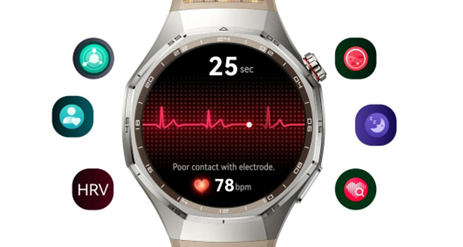
Modern wearables track various metrics crucial for understanding one’s health, facilitating a comprehensive approach to wellness management.
Wearables are adept at monitoring heart rate, providing insights into cardiac health. Using photoplethysmography (PPG), these devices measure heart rate by shining a light through the skin and calculating the change in light as blood pulses through the veins. This technology assists in detecting anomalies like irregular heartbeats. Fitness enthusiasts benefit by optimizing their workouts, ensuring they maintain an optimal heart rate zone for fat burning or cardiovascular strengthening. Additionally, those with heart conditions can use continuous monitoring for early signs of issues, reducing emergency cases. The potential for wearables to monitor heart health extends to clinical applications, offering data for long-term health management.
Wearables also gauge blood oxygen saturation (SpO2), stress levels, and respiratory rates. By using sensors similar to those in pulse oximeters, wearables evaluate how well oxygen is distributed throughout the body, which is crucial for identifying potential respiratory issues. Stress tracking relies on heart rate variability, indicating how your body responds to stressors. High stress levels can trigger alerts, prompting users to engage in relaxation techniques. Respiratory tracking is particularly important for those with conditions like asthma, providing continuous monitoring that can alert individuals to oncoming episodes. These metrics together create a holistic understanding of one’s health status.
Tracking sleep patterns is another significant benefit offered by wearables. These devices monitor sleep stages—light, deep, and REM—by analyzing movements, heart rate, and sometimes even breathing patterns. Understanding these stages can help improve sleep quality by identifying disruptions. Wearables can recommend bedtime routines and relaxing exercises, too. They serve as a helpful tool for those suffering from insomnia or other sleep disorders, providing detailed insights into sleep issues. Parents also use this feature to monitor children’s sleep quality to ensure they are getting the rest needed for growth and development. Understanding sleep enables better overall health management.
Incorporating wearables into daily life transforms everyday health by pinpointing areas for improvement.
Wearables offer precise data crucial for early disease detection and management strategies. Regular monitoring enables the quick recognition of patterns that could indicate the onset of chronic illnesses such as diabetes or hypertension. Alerts for elevated heart rates or abnormal SpO2 levels provide users with the nudge needed to seek professional advice before symptoms escalate. This proactive approach is vital for chronic disease management, allowing interventions before conditions worsen. With the combination of user data and healthcare integration, wearables provide tailored advice, improving patient outcomes and possibly reducing the burden of chronic diseases on the healthcare system.
Wearables represent a shift from isolated clinical checkups to real-life, continuous monitoring. In the past, individuals relied on regular visits to clinics for health evaluations. Now, data obtained from wearables presents a daily account of physiological conditions, offering a comprehensive view of health. Patients with chronic conditions use this data to manage and adjust their treatment plans effectively. For athletes, continuous monitoring aids in optimizing training regimes. Clinicians gain the ability to review real-time data, making diagnostic processes more informed. This shift ensures a continuum of care that’s ever-present, increasing patient involvement in their health journey.
Wearables seamlessly integrate into daily life, acting as a catalyst for healthier habits.
Trackers encourage more movement by setting daily goals and offering reminders to stay active. The ability to see steps, calories burned, and standing time keeps users motivated to meet their fitness goals. Competitions and shared activities provide social encouragement. Users can visualize progress over time, identifying trends that help improve overall fitness. With gentle nudges throughout the day, such as “Time to Move,” wearables minimize sedentary lifestyles, helping combat health issues like obesity. By gamifying physical activity, wearables ensure consistent engagement and provide users with data-driven feedback, motivating continuous improvement in their daily routines.
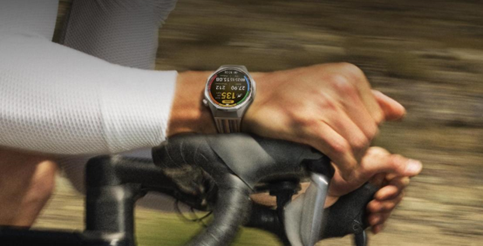
By providing biofeedback and stress management tools, wearables significantly impact mental well-being. Real-time stress monitoring offers invaluable feedback that can encourage lifestyle changes to reduce anxiety. Breathing exercises and mindful practices are prompted during high-stress periods. Recovery analysis helps users understand rest patterns post-exercise, optimizing performance and reducing burnout risks. Wearables are beneficial for mental health, offering insights into sleep and stress patterns, which can help identify triggers and instigate positive habits. Improved understanding and management of stress lead to enhanced mental resilience, energy levels, and overall life satisfaction.
Wearables provide personalized insights, elevating health awareness. Through collected data, users receive tailored advice and actionable feedback. This personalization fosters a deeper understanding of one’s body, encouraging healthier eating, exercise habits, or disease prevention strategies. Featuring dynamic goals that adjust based on activity or health changes, wearables guide users to make better choices. Integration with health apps further customizes the experience, providing insights into nutrition, hydration, and even mindfulness practices. Personalization not only optimizes daily routines but also enhances the user’s overall wellness journey, supporting an informed, health-conscious lifestyle.
Wearables have fundamentally changed the landscape of health monitoring. By offering unprecedented access to real-time data, these devices empower individuals to actively participate in their health journey. Enhanced awareness of key health metrics leads to proactive health decisions and early detection of potential health risks. In daily life, wearables foster an improved and engaged lifestyle, promoting physical and mental well-being. These technologies’ ability to provide personalized insights and continuous monitoring ensures their growing significance in healthcare. Wearables are not just a technological trend but a significant tool for advancing healthy living and preventive health care.