As devices become more powerful and versatile, the chargers we use to power them must keep up. One of the biggest shifts in charging technology over recent years has been the transition from traditional USB-A ports to USB-C. Whether you’re powering a smartphone, tablet, laptop, or accessories, USB-C has emerged as the preferred connector for modern charging. But what exactly makes a Type-C charger superior to USB-A? Understanding the advantages can help you choose the right charger and ensure efficient, future-ready power delivery.
Why Type-C Chargers Outperform USB-A
Before diving into the specifics, it’s important to recognize that the evolution from USB-A to USB-C is more than a physical redesign—it represents improvements in power delivery, performance, and versatility. Here’s how USB Type-C stands out.
Faster Charging With Higher Power Delivery
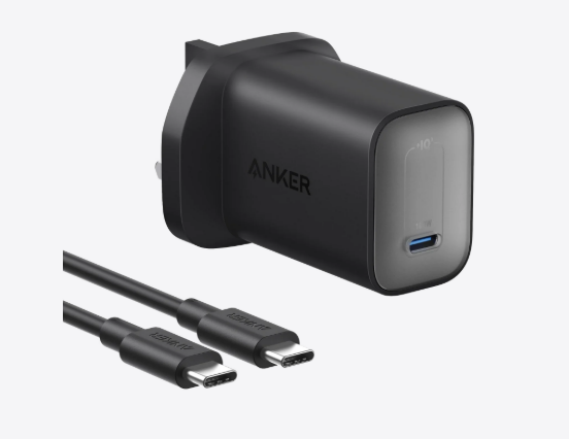
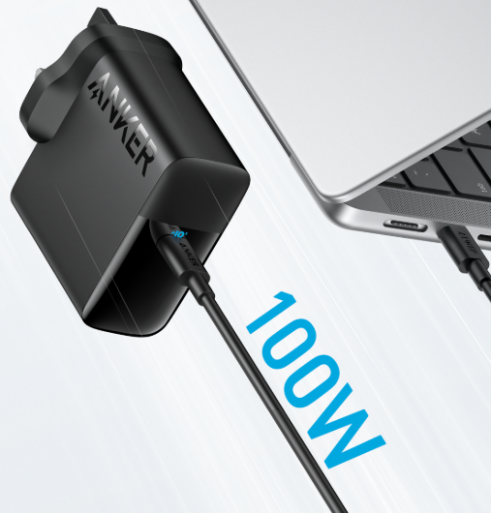
One of the most significant advantages of USB-C is its ability to deliver higher power output. While USB-A ports are typically limited to 12W or 18W output, USB-C chargers with Power Delivery (PD) can provide significantly higher wattage, often 30W, 65W, or even 100W and beyond. This means you can charge a wide range of devices faster and more efficiently. For example, an Anker USB type c charger with PD 3.1 can top up a smartphone or even a laptop much more quickly than an older USB-A charger, reducing downtime and increasing convenience.
Reversible Connector for Everyday Ease
USB-C’s symmetrical design eliminates the frustration of plugging in the cable the “right way.” Unlike USB-A, which only fits one direction, USB-C works no matter how it’s inserted. This small convenience makes a big difference in daily use, especially when you’re juggling devices in low-light situations or grabbing your charger on the go.
Universal Compatibility Across Devices
USB-C has become the standard port for a wide variety of modern electronics, from Android phones to iPads, laptops, power banks, and gaming accessories. This universality means one cable and charger can serve multiple devices. Anker’s USB-C chargers, such as the Anker Prime Charger with 6 ports, are designed to support everything from smartphones to laptops, making them a versatile choice for users who own multiple gadgets.
Bidirectional Charging and Smart Power Distribution
Another advantage of USB-C is bidirectional power delivery, meaning a device can act as both a power source and a sink. This is essential for power banks that support USB-C bi-directional charging, allowing them to recharge quickly and also charge your phone or tablet efficiently. Anker Nano Power Banks with USB-C illustrate this well, offering fast charging both in and out.
Smaller, More Efficient Design
USB-C components are generally more compact than their USB-A counterparts, allowing charger manufacturers to pack more power into smaller bodies. With the help of technologies like GaN (Gallium Nitride), modern USB-C chargers deliver high wattage while remaining lightweight and travel-friendly. This is why premium USB-C chargers such as Anker’s GaN models can provide desktop-level power in a palm-sized form factor.
Future-Proofing Your Charging Setup
As more manufacturers adopt USB-C across their product lines, USB-A is gradually becoming a legacy interface. Investing in USB-C chargers today means you’re prepared for future devices and won’t need to upgrade your charging setup as frequently. This long-term thinking saves money and reduces electronic waste.
Better Power and Data Integration
USB-C is not only about power but also supports faster data transfer speeds when combined with standards like USB 3.1 or Thunderbolt. This dual capability means fewer cables are needed overall, simplifying your tech ecosystem. Chargers that leverage USB-C for power and data can streamline both device syncing and charging, improving overall user experience.
Conclusion
USB-C chargers offer clear advantages over traditional USB-A: faster charging, higher power delivery, broader compatibility, and a design that’s both reversible and more efficient. With technologies like Power Delivery and GaN, USB-C delivers future-ready performance that meets the demands of modern devices, from smartphones to laptops. Brands like Anker embrace these trends with powerful, compact chargers that make USB-C’s benefits tangible in everyday use. As USB-C continues to become the universal standard, upgrading to a Type-C charger is essential for keeping your devices powered quickly, safely, and conveniently.