Drug safety begins with a thorough understanding of drug metabolism and pharmacokinetics (DMPK). By examining how a drug is absorbed, distributed, metabolized, and excreted (ADME), researchers can predict potential safety concerns early in the development process. These studies generate crucial data that highlight how a drug behaves in the body and its interactions with biological systems. With this knowledge, developers can anticipate and mitigate risks associated with toxicity and adverse drug reactions. DMPK studies offer insights into pharmacokinetic parameters that help drug developers make informed decisions. These insights ensure that only the safest and most effective compounds progress through the development pipeline. In essence, dmpk studies lay the groundwork for identifying potential safety risks, ultimately guiding the creation of safer therapeutic options.
Group 1: Core DMPK Data That Signal Safety Risks
Role of ADME Data in Early Safety Prediction
ADME data serve as the foundation for assessing drug safety profiles. By understanding the absorption, distribution, metabolism, and excretion characteristics of a compound, researchers can predict its behavior in the human body. Absorption data, for instance, reveal how effectively a drug enters the bloodstream when administered. Poor absorption can signal issues with drug delivery and efficacy. Distribution data highlight how the drug spreads within the body and reaches target tissues. This information helps predict potential off-target effects that may lead to toxicity. Metabolic pathways indicate how the drug is broken down. Identifying metabolites is essential as some may possess toxic properties. Lastly, excretion data tell us how the drug and its metabolites are eliminated from the body, which is crucial for understanding the duration of drug action and potential accumulation risks. By analyzing these ADME parameters, scientists can identify whether a drug candidate may lead to safety concerns early in the drug development process.
Pharmacokinetics Parameters Linked to Toxicity
Pharmacokinetics (PK) involves studying drug concentration changes over time within the body. Crucial PK parameters such as half-life, bioavailability, and clearance provide valuable insights into a drug’s safety profile. The half-life of a drug indicates how long it remains active; a prolonged half-life might lead to accumulation and toxicity. Bioavailability measures the fraction of a drug that reaches systemic circulation, with low bioavailability potentially leading to higher doses and increased risk of side effects. Clearance rates demonstrate how efficiently a drug is removed from the body—insufficient clearance can result in drug buildup and toxic reactions. Understanding these relationships allows researchers to anticipate adverse effects linked to dosage and patient variability. Furthermore, specific PK properties may highlight risks associated with certain populations, such as those with impaired metabolic function. Correctly interpreting PK data enables pharmaceutical developers to identify toxicity risks and adjust dosing schedules to optimize safety for all potential users.
Group 2: DMPK Study Models and Tools Used for Safety Decisions
In Vitro DMPK Assays for Early Risk Screening
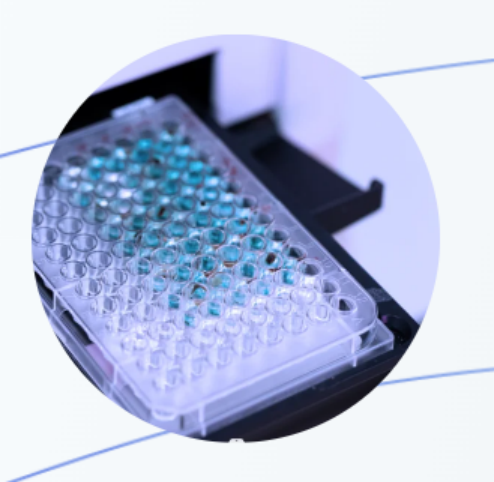
In vitro DMPK assays provide valuable information for early risk screening in drug development. These laboratory-based tests simulate how drugs interact with biological components like liver microsomes, enzymes, and transporter proteins. By enabling scientists to investigate metabolic pathways and identify potential inhibitors, in vitro assays help predict unfavorable interactions that may manifest during clinical use. These high-throughput techniques allow rapid evaluation of multiple candidate compounds, ensuring that only those with favorable safety profiles proceed to further studies. Moreover, in vitro models are cost-effective and reduce reliance on animal testing by capturing key pharmacokinetic processes early in drug development. Despite limitations like reduced physiological complexity compared to in vivo systems, in vitro assays remain essential for identifying potential risks such as enzyme induction, inhibition, and drug-drug interactions. Their predictive value lies in guiding subsequent research efforts towards minimizing toxicity and maximizing therapeutic benefits while accelerating the overall development timeline.
In Vivo DMPK Studies and Exposure–Toxicity Links
In vivo DMPK studies provide insights into the exposure–toxicity relationship by evaluating a drug’s behavior in living organisms. These studies are crucial for confirming results obtained from in vitro assays and provide data on how a drug interacts with complex biological systems. In vivo studies can uncover species-specific differences in drug metabolism, absorption rates, and excretion pathways that might not be apparent through in vitro testing alone. By correlating drug concentrations with observed effects, researchers can establish safe dosage ranges and identify potential side effects or toxicities before human trials. Animal models used in in vivo studies enable scientists to observe long-term effects on different organ systems and refine their understanding of exposure responses. This comprehensive data contributes to safer drug designs with reduced adverse effects and enhances understanding of how systemic exposure may lead to toxicity. Accurate interpretation of in vivo findings ensures that new therapies provide maximal efficacy with minimal risk.

Group 3: Applying DMPK Insights in Drug Development Programs
Integrating DMPK With Toxicology Studies
Integrating DMPK and toxicology studies promotes a comprehensive understanding of a drug candidate’s safety profile. By combining these distinct fields, scientists can identify and mitigate potential hazards early, preventing costly delays in development. DMPK studies provide vital information on exposure levels and pathways, enabling toxicologists to focus on relevant endpoints during risk assessments. Integrated studies help connect pharmacokinetics with observed toxic effects, establishing clearer links between dosage, exposure, and adverse outcomes. Data from these combined efforts allow researchers to predict human responses with increased confidence and design safer drugs. Coordinated efforts also enhance communication among multidisciplinary teams, fostering innovation and improving the accuracy of safety predictions. Ultimately, the integration of DMPK with toxicology studies increases the robustness of safety profiles, optimizing resource allocation, and streamlining the drug development process while prioritizing patient safety.
DDI Risk Assessment and Clinical Safety Planning
Drug-drug interaction (DDI) risk assessment is a crucial component of DMPK that informs clinical safety planning. DDIs occur when one drug influences the pharmacokinetics of another, potentially leading to adverse outcomes. Understanding these interactions enables developers to anticipate and mitigate risks through informed clinical trial designs and risk management strategies. By evaluating metabolic pathways and enzyme involvement (e.g., cytochrome P450 isoforms), researchers can predict potential interactions and adjust dosing regimens accordingly. Incorporating DMPK insights into clinical safety planning ensures proactive identification of high-risk combinations and accurate determination of therapeutic windows, reducing the probability of harmful interactions during clinical use. Effective communication of DDI risks to healthcare providers facilitates informed prescribing decisions that prioritize patient well-being. Comprehensive DDI assessments help guide regulatory discussions, ensuring compliance with safety standards while advancing drug candidates towards successful clinical and market launches.
Conclusion
DMPK studies are essential in guiding the drug development process towards safer therapeutic outcomes. By focusing on the pharmacokinetic and metabolic properties of drug candidates, DMPK provides critical insights into potential safety risks and toxicities. The integration of DMPK with traditional toxicology and clinical studies supports the prediction and mitigation of adverse effects, optimizing the therapeutic index of drug candidates. Furthermore, employing innovative modeling tools like PBPK extends these insights, translating preclinical data into actionable information for human applications. The result is a streamlined development process that emphasizes patient safety and regulatory compliance. By leveraging these powerful insights, pharmaceutical developers can navigate the complexities of drug safety, ensuring that innovative treatments reach patients with the utmost regard for efficacy and well-being.