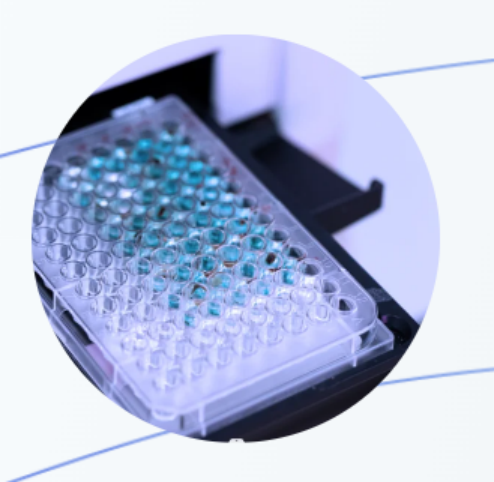
Oligonucleotide therapeutics represent a promising class of drugs revolutionizing the landscape of modern medicine. These therapies use synthetic nucleic acid sequences to bind precisely to specific RNA or DNA targets, allowing for targeted modulation of gene expression. The specificity offered by oligonucleotides makes them potential solutions for diseases that lack effective treatments, offering hope for conditions once considered untreatable. By understanding their mechanisms, drug types, and emerging trends, scientists and healthcare professionals can harness the potential of oligonucleotides, shaping the future of drug discovery and personalized medicine, while enabling more precise interventions, improved safety profiles, and tailored therapeutic strategies across diverse disease areas.

Core Mechanisms of Oligonucleotide Therapeutics
Antisense Oligonucleotides and Gene Silencing
Antisense oligonucleotides (ASOs) are short, synthetic strands of nucleic acids designed to bind to complementary sequences of messenger RNA (mRNA). This interaction facilitates the blocking or degradation of the target mRNA, effectively reducing the production of specific proteins. ASOs enact gene silencing primarily through two mechanisms: steric hindrance, which physically obstructs ribosomes and RNA-binding proteins, and RNase H-mediated degradation, which prompts enzymatic breakdown of mRNA-oligonucleotide hybrids. ASOs have gained traction as viable treatments for genetic disorders in which excessive or aberrant protein production contributes to disease pathology. By refining their sequence and chemical structure, researchers can optimize ASO efficacy and minimize potential side effects.
RNA Interference and mRNA Targeting
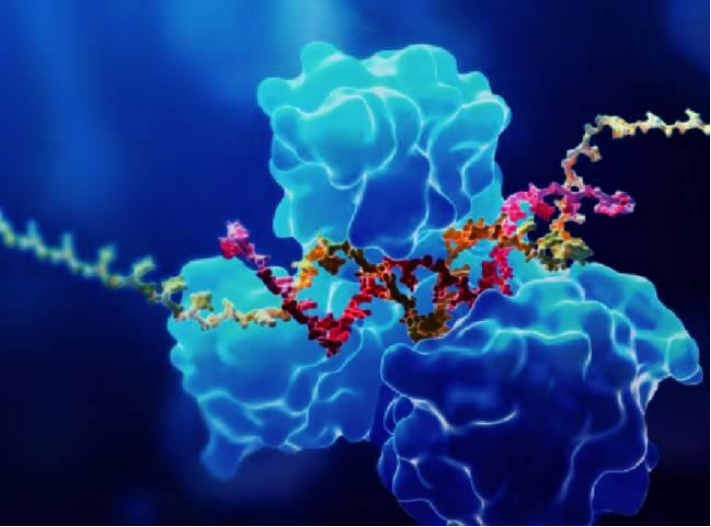
RNA interference (RNAi) is another powerful mechanism utilized by oligonucleotide therapeutics for mRNA targeting. This biological process involves small interfering RNAs (siRNAs) that guide the degradation of complementary mRNA molecules, thereby inhibiting gene expression. siRNAs incorporate into the RNA-induced silencing complex (RISC), which mediates the cleavage of target mRNA. The precision of RNAi makes it an attractive approach for conditions linked to specific gene expression profiles, such as viral infections, cancer, and genetic disorders. Ongoing research is focused on enhancing the delivery and stability of RNAi molecules to improve their therapeutic potential.
Types of Oligonucleotide Therapeutics in Drug Development
siRNA, ASO, and miRNA Therapeutic Modalities
The diversity of oligonucleotide therapeutics spans several modalities, each with unique applications and benefits. Small interfering RNAs (siRNAs), antisense oligonucleotides (ASOs), and microRNAs (miRNAs) constitute the primary classes. siRNAs facilitate RNA interference and are celebrated for their ability to robustly silence target genes. ASOs, as previously discussed, offer gene silencing through mRNA targeting. miRNAs, however, have regulatory roles, modulating gene expression post-transcriptionally and holding promise as therapeutic agents for complex diseases. Each modality requires precise design and synthesis, tailored to disease-specific genetic targets, facilitating personalized medicine.
Chemical Modifications and Stability Optimization
Chemical modifications of oligonucleotides are pivotal to enhancing their therapeutic efficacy. Researchers employ strategies like phosphorothioate backbone modification, locked nucleic acids (LNAs), and peptide nucleic acids (PNAs) to heighten oligonucleotide stability and binding affinity. These modifications boost resistance to nucleases, improving the half-life of oligonucleotides in biological systems. Stability optimization is crucial, as it ensures prolonged interaction with target molecules, facilitating effective gene modulation. While achieving high stability is beneficial, it is equally important to balance modification levels to prevent immunogenic responses or toxicity, and to maintain favorable pharmacokinetic behavior during systemic exposure and repeated dosing in clinical applications.
Development Trends and DMPK Considerations
Delivery Systems and Tissue Targeting Strategies
Effective delivery and targeted tissue interaction are central to the success of oligonucleotide therapeutics. Developing non-invasive and precise delivery systems, such as nanoparticles, liposomes, and conjugated antibodies, enhances drug bioavailability and tissue specificity. These systems improve circulation time and enable targeted uptake by specific cell types, circumventing challenges like off-target effects and systemic breakdown. Researchers are exploring innovative carriers and conjugates to maximize tissue targeting, aiming for refined precision in drug delivery.
DMPK Evaluation and Bioanalysis for Oligonucleotides
Understanding the disposition, metabolism, and pharmacokinetics (DMPK) of oligonucleotides is essential for therapeutic development. Detailed DMPK evaluation involves assessing absorption, distribution, metabolism, and excretion profiles. Bioanalytical technologies, such as mass spectrometry and hybridization-based assays, provide insights into oligonucleotide chemistry, guiding dose optimization and minimizing toxicity risks. Through comprehensive DMPK studies, scientists can define therapeutic windows, ensuring efficacy while mitigating adverse effects. These evaluations help delineate dosing paradigms and advance safety considerations, aligning therapeutic strategies with clinical needs.
Conclusion
The promise of oligonucleotide therapeutics lies in their transformative potential to treat previously intractable diseases through precise genetic modulation. By leveraging mechanisms like gene silencing and RNA interference, scientists can craft innovative solutions tailored to specific genetic challenges. Ongoing advancements in delivery systems, chemical stability, and DMPK analysis continue to refine these therapies, increasing their accessibility and effectiveness. Improved biodistribution control and safety evaluation further support clinical translation and regulatory confidence. As oligonucleotide research progresses, it holds the potential to reshape healthcare, paving the way for personalized, targeted treatment strategies that offer hope to patients worldwide.